AIMPLEMENTING THE EU ROMA STRATEGIC FRAMEWORK. ROMA ACCESS TO QUALITY AND INCLUSIVE EDUCATION
This past 20 November, ERGO Network organised its annual Policy Conference in Brussels, dedicated to exploring how to improve Roma access to quality and inclusive education, training, and lifelong learning, as well as to taking stock of the implementation of the EU and National Roma Frameworks and of Council of Europe standards on Roma inclusion.
The Opening session featured welcome words by Daniel Grebeldinger of the ERGO Network Board, framing remarks by Eva Schultz from the cabinet of European Commission Executive Vice-President Roxana Mînzatu, and introductory reflections from Hon Hristo Petrov, Member of the European Parliament from Bulgaria, part of Renew Europe.

From a very young age, Roma children are unable to access the same learning opportunities as their peers. Poverty and discrimination lead to significantly lower attendance and completion rates for the Roma throughout the lifecycle. Pervasive antigypsyism, civil and institutional, results in segregated educational facilities and the misplacement of Roma children in special needs establishments. In the absence of sufficient and accessible second chance schools and training opportunities, lifelong learning and upskilling are further impeded, and the Roma find themselves trapped in a constant state of poverty and low skills. Increasing effective equal access to quality and inclusive mainstream education is an objective of the EU Roma Strategic Framework, while it is also extensively covered by the European Pillar of Social Rights, and quality education is Goal 4 of the UN Sustainable Development Goals (SDGs).
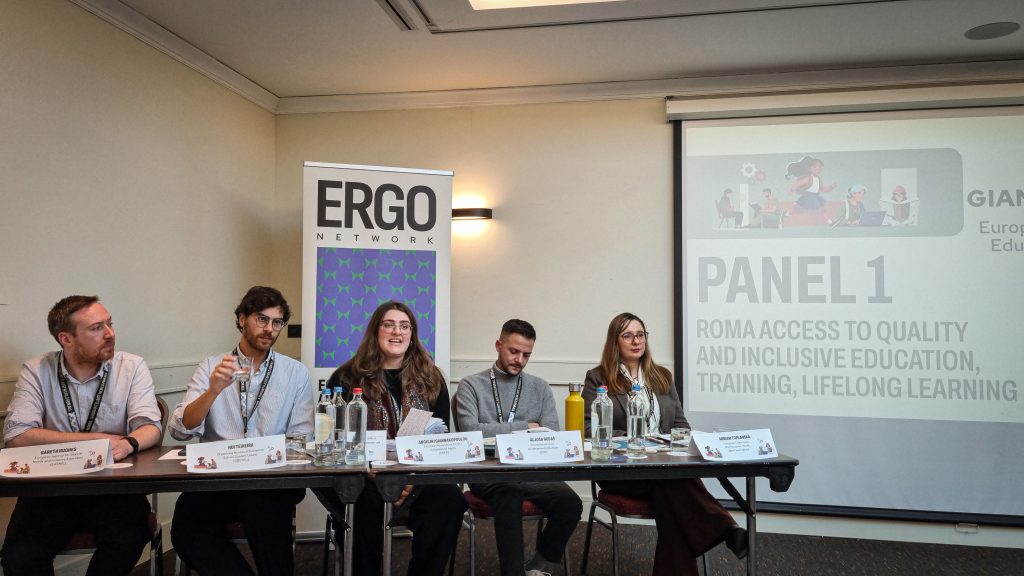

- The Roma continue to face persistently low educational attainment and learning outcomes throughout the lifecycle
- Financial and non-financial barriers to education continue to drive dropout and high NEET rates among Roma learners
- Support for Roma learners and their families remains inconsistent, while educational mediators are underutilised
- Antigypsyism and segregation remain pervasive, while Roma language and culture are invisible in curricula
- Educational disadvantage lasts a lifetime, locking the Roma out of lifelong learning, quality employment, and social mobility
- Roma communities and their civil society organisations must be involved in order to co-create sustainable ways forward
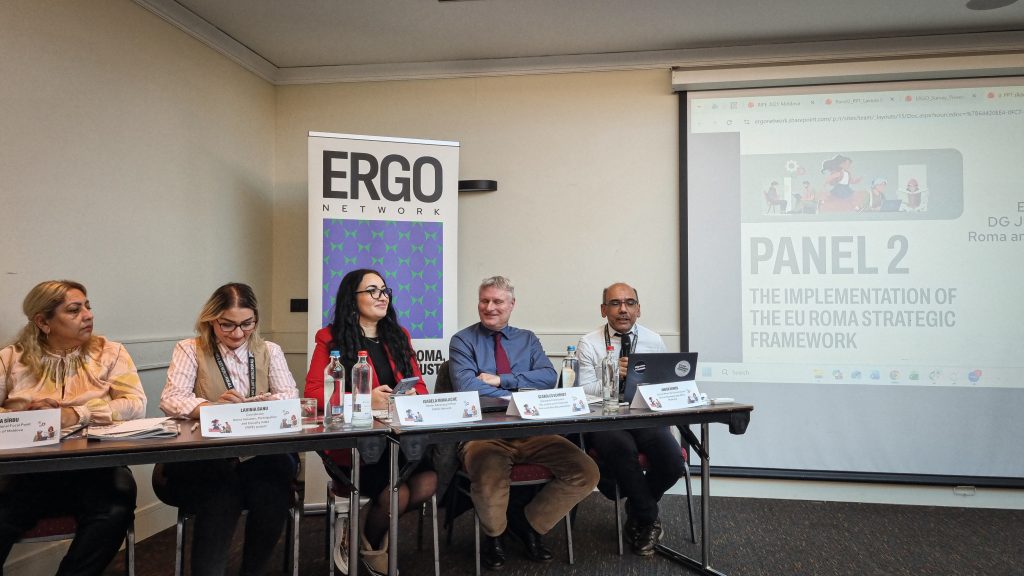
With the adoption of the EU Roma Strategic Framework up to 2030, Governments developed National Roma Strategic Frameworks in EU Member States and Western Balkan countries in 4 thematic areas and 3 horizontal strategic objectives, including education, employment, health, housing, fighting antigypsyism, combating poverty, and promoting Roma participation. In order to ensure an effective implementation of the ensuing National Frameworks, a robust and continued monitoring of the entire policy process should be ensured.

The afternoon of the event looked at the implementation of the EU Roma Strategic Framework on Equality, Inclusion, and Participation, in the context of the European Commission’s upcoming 2026 progress report on the National Roma Strategic Frameworks. The session also reflected on the implementation of Council of Europe standards and policy instruments for protection of Roma and Travellers, highlighting achievements, challenges, and complementarities with EU-level processes. Covering both EU Member States and enlargement countries, it will present findings from ERGO Network’s 2025 data collection exercise, alongside perspectives from the EU institutions, the Council of Europe, and civil society.
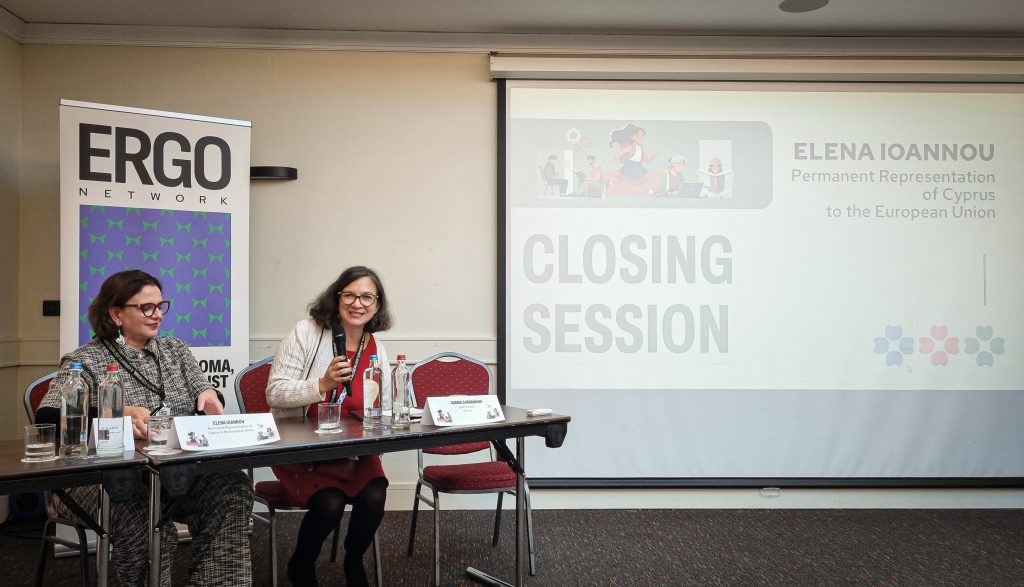
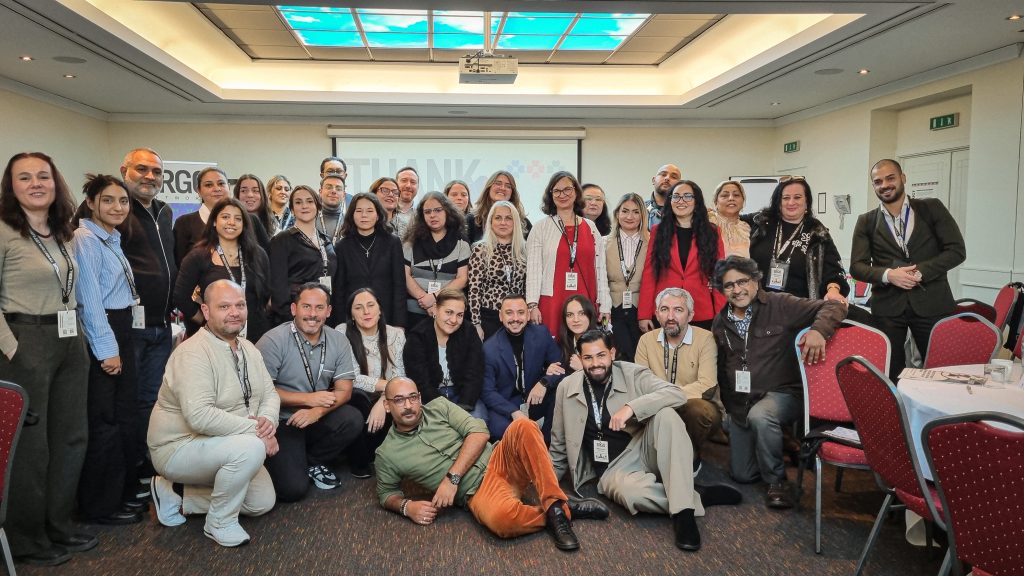
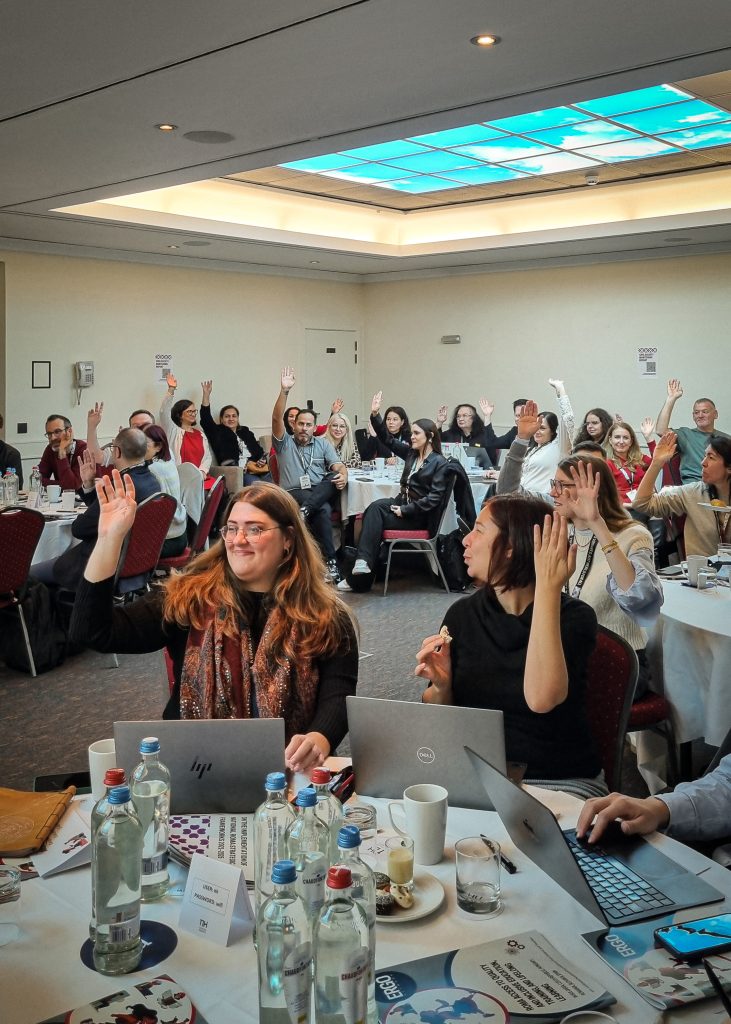
Closing remarks were provided by Elena Ioannou, Employment and Social Affairs Attaché with the Permanent Representation of the Republic of Cyprus to the European Union, while Hon Nela Riehl, Member of the European Parliament from Germany and part of Greens / EFA, provided a video message. The event was closed by Gabriela Hrabaňová, ERGO Network Director. The conference was very well attended with over 50 participants on site and nearly 200 views online, and it brought together ERGO Network national members from the grassroots level in many European countries, as well as European civil society organisations, policy-makers from the EU and national levels, diplomatic representatives, education practitioners, and other stakeholders.
This conference is kindly supported by the European Union Programme for Citizens, Equality, Rights and Values (CERV) and by the German Federal Foreign Office.
