When Russia launched its full-scale invasion of Ukraine in February 2022, millions were forced from their homes. Cities were destroyed and families separated.
Four years on, the war continues. And for many Roma communities, vulnerability did not begin with the invasion. It was already there; the war simply intensified it.
“War has amplified existing inequalities,” says Julian Kondur of our member organisation International Roma Women’s Fund ‘Chiricli’. “For many Roma families, challenges like lack of documents, unstable housing, and barriers to services persist, and they did not start with the war – but this war has made them far more urgent.”
Pre-existing inequalities, heightened by war
Before 2022, many Roma in Ukraine were living with insecure housing, informal settlements, limited access to healthcare and education, and entrenched discrimination. Thousands lacked personal documents. These were not minor administrative gaps; they determined whether someone could enrol a child in school, access medical care or receive state support.
When war broke out, those gaps became fault lines. Without identity papers, crossing checkpoints, registering as internally displaced, or accessing humanitarian aid became difficult or impossible. Social protection, housing assistance and healthcare often depended on documentation many Roma never had to begin with. In the chaos of displacement, exclusion deepened.
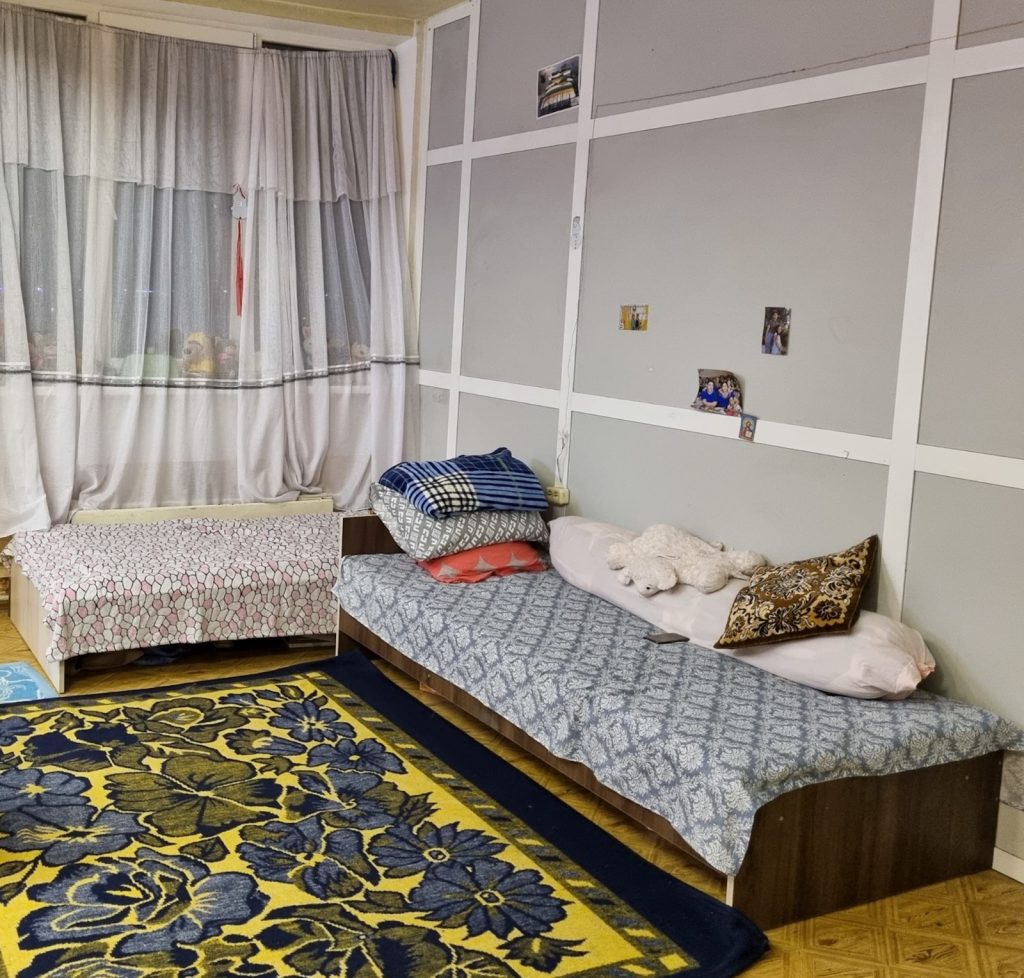
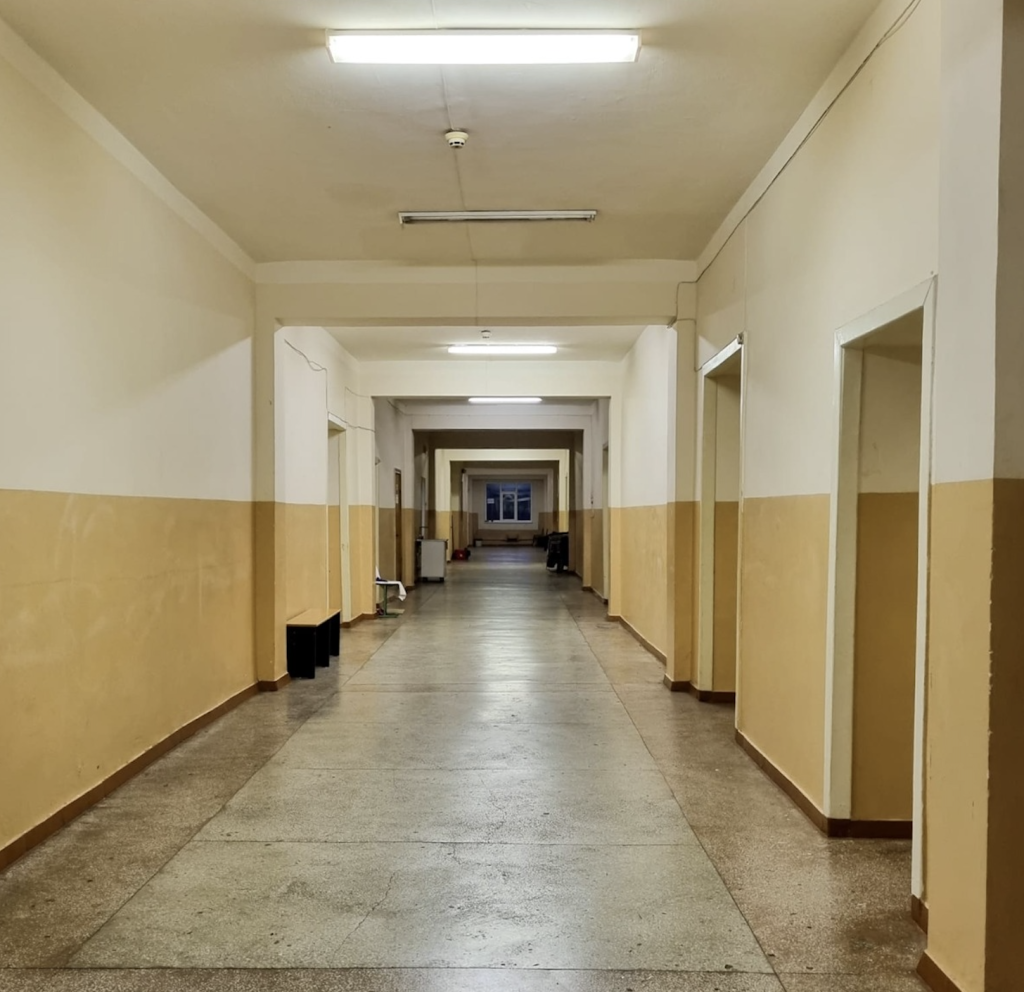
There were also reports of discrimination at borders and in temporary shelters both in Ukraine and abroad, particularly in the early months of the invasion – we at ERGO Network have seen these firsthand visiting our members in Poland, Czechia and Moldova. The crisis did not erase prejudice.
Roma on the frontline and in the community
Yet this is only part of the picture.
Roma have also been defending Ukraine. Many Roma men are serving on the frontline, others volunteer: delivering food, evacuating families, distributing aid and supporting local humanitarian responses. Roma civil society organisations mobilised quickly, often reaching communities overlooked by mainstream assistance.
“Roma in Ukraine continue to show remarkable resilience,” Julian says. “As many Roma are defending Ukraine on the frontline, volunteering, supporting humanitarian responses, and helping rebuild trust between communities, we have stepped ahead in recognising this reality and are working to ensure a more inclusive recovery.”
Emergency support and long-term inclusion
Four years into the war, Chiricli’s work operates on two tracks: emergency response and structural change.
Humanitarian needs remain acute. Families have been displaced multiple times. Settlements have been damaged or destroyed. Infrastructure disruptions continue to affect access to water, electricity and public services. Chiricli prioritises ensuring Roma families can obtain personal documents, access humanitarian assistance and social protection, and receive reliable information in unstable conditions.
At the same time, structural discrimination persists.
Chiricli is strengthening cooperation with the Ukrainian Ombudsman’s Office, supporting Roma mediators who work directly with communities, documenting human rights violations, and advocating for Roma inclusion in Ukraine’s recovery policies. A central challenge is the intersection of war-related displacement, damaged infrastructure and persistent antigypsyism, which together create barriers to equal access to services.
An inclusive recovery as a democratic test
The recovery phase will shape Ukraine for decades. Billions in reconstruction funding will determine how housing, schools and institutions are rebuilt. If pre-war inequalities are not addressed, they risk being reproduced in reconstruction.
Inclusive recovery requires concrete steps: simplified procedures for obtaining documents, safeguards against discrimination in housing allocation, targeted education support for Roma children, sustained funding for mediators, and genuine consultation with Roma communities.
It also requires confronting antigypsyism as structural racism, not as isolated incidents. The early months of the invasion showed how quickly prejudice can surface when resources are scarce. They also demonstrated that coordinated action by civil society and authorities can limit harm.
Despite the strain of four years of war, civic engagement within Roma communities is growing, particularly among women and young people. Roma women are organising humanitarian responses, engaging with local authorities and asserting their rights. Young Roma are volunteering and building advocacy skills that could shape longer-term participation in public life.
These shifts matter for Ukraine’s democratic future. The country’s path towards European Union membership is tied to commitments to minority rights, equality and the rule of law. Ensuring Roma inclusion in recovery efforts is central to those commitments.
Anniversaries often focus on geopolitics and military developments. Yet beneath those headlines are communities living with the layered impact of conflict and structural exclusion.
Roma in Ukraine are not only victims of war. They are citizens, soldiers, volunteers, mediators and organisers. They are contributing to Ukraine’s defence and its rebuilding.
If war has amplified inequality, recovery must reverse it. Rebuilding Ukraine means rebuilding it for everyone.