ERGO Network General Assembly 2026: From Thessaloniki to Europe
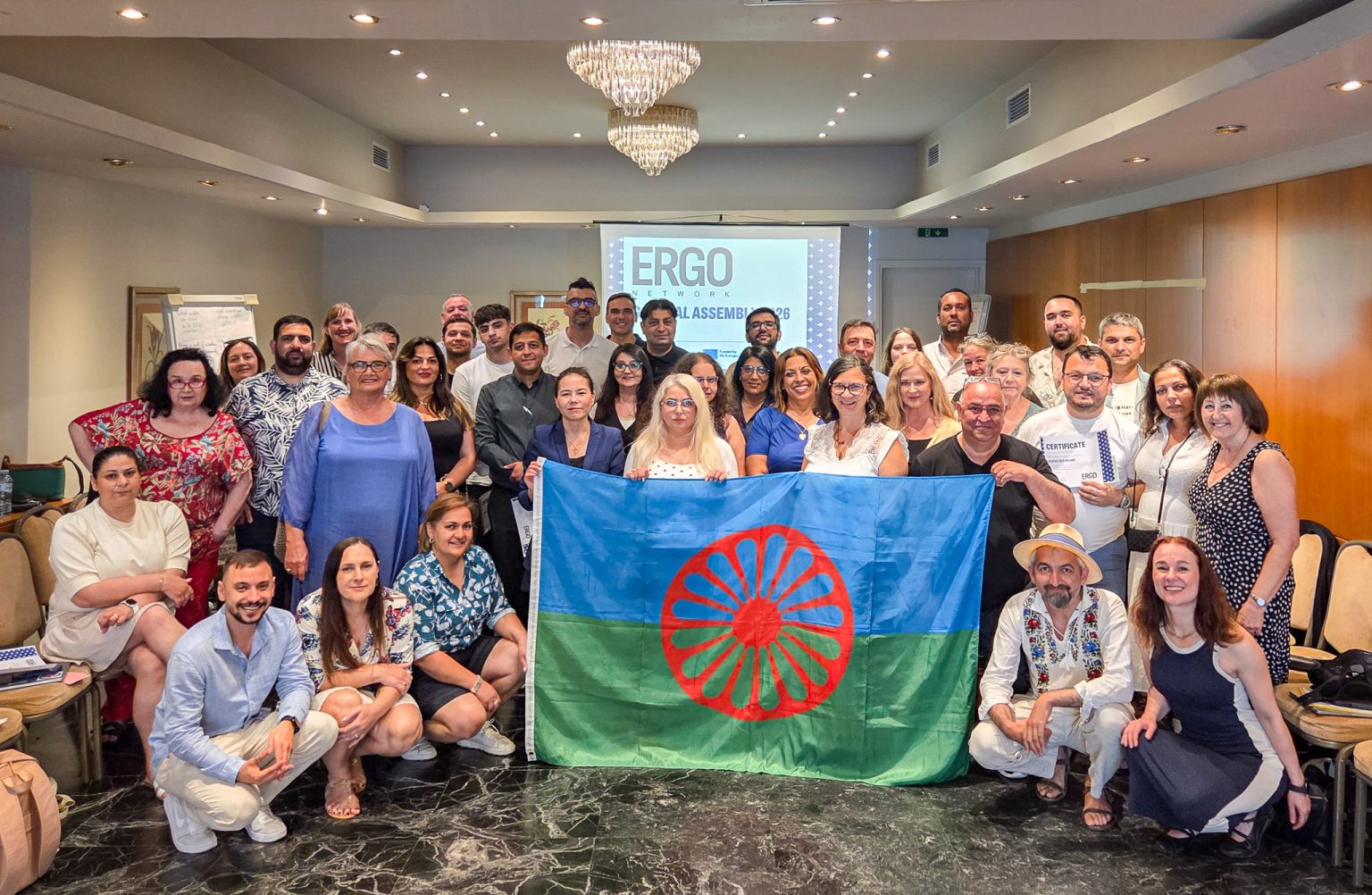
ERGO Network held its 2026 General Assembly from 1 to 4 June in Thessaloniki, Greece, bringing together members from across Europe for several days of exchange, reflection, statutory decision-making and collective planning.
Thessaloniki as a meaningful setting
The choice of Thessaloniki was more than a meeting location. It offered an important reminder of the realities faced by Roma communities in Greece, where antigypsyism continues to shape access to housing, services, education, transport and public life.
Members heard about the situation in Dendropotamos, a Roma neighbourhood outside Thessaloniki, which remains geographically and socially excluded, with limited access to public transport and essential services. Against this backdrop, the General Assembly became not only a statutory gathering, but a space to connect European-level advocacy with the lived realities of Roma communities.
A new Board elected
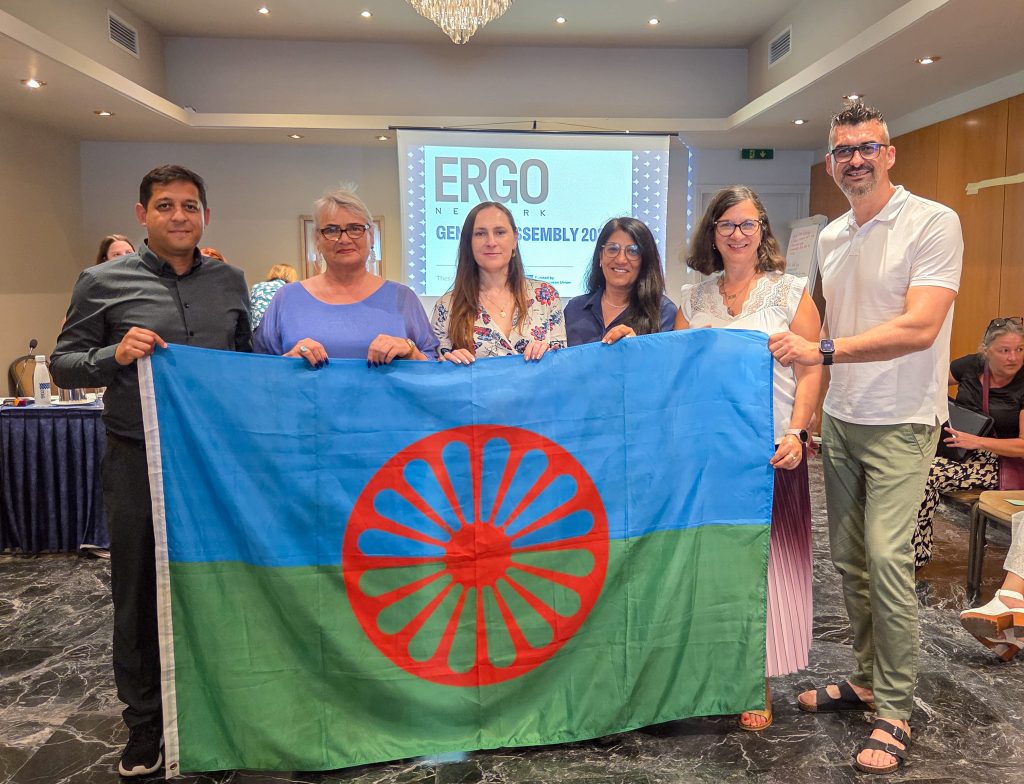
A central moment of the Assembly was the election of ERGO Network’s new Board. Members first formally discharged outgoing Board members Daniel Grebeldinger, Soraya Post, Mustafa Jakupov, Zuzana Havírová and Annabel Carballo, acknowledging their service and responsibility during their mandate. Dragan Joković, elected two years earlier, continues his mandate.
Following nominations from member organisations, the General Assembly voted to maintain a six-member Board. The newly elected Board members are Elżbieta Mirga-Wójtowicz, Soraya Post, Isak Skenderi, Monika Mihaličková and Daniel Rădulescu. In its first meeting, the Board agreed its internal roles, with Soraya Post serving as Chair, Elżbieta Mirga-Wójtowicz as Vice-Chair, and Daniel Rădulescu as Treasurer.
Welcoming new members
The Assembly also welcomed new members into the ERGO Network family. Ara Art from Czechia was approved as a full member, following an active period as an associate member and strong engagement through its work connecting art and activism, including Roma theatre, cultural events, advocacy and support for Roma LGBTQ+ people and others facing intersectional discrimination.
Three organisations were approved as associate members: Romedia Foundation from Hungary, one of the oldest Roma-led organisations in the country, known for its storytelling, filmmaking and visual archive; UCRI from Italy, an umbrella organisation bringing together 46 organisations and working on Roma Holocaust recognition and cultural initiatives; and Romani Zbora from Ukraine, a Roma-led organisation based in Odesa, working under the extremely difficult conditions of war.
MIA (Melde- und Informationsstelle Antiziganismus) was also welcomed as a new Friend of ERGO.
Reflecting and strengthening the Network
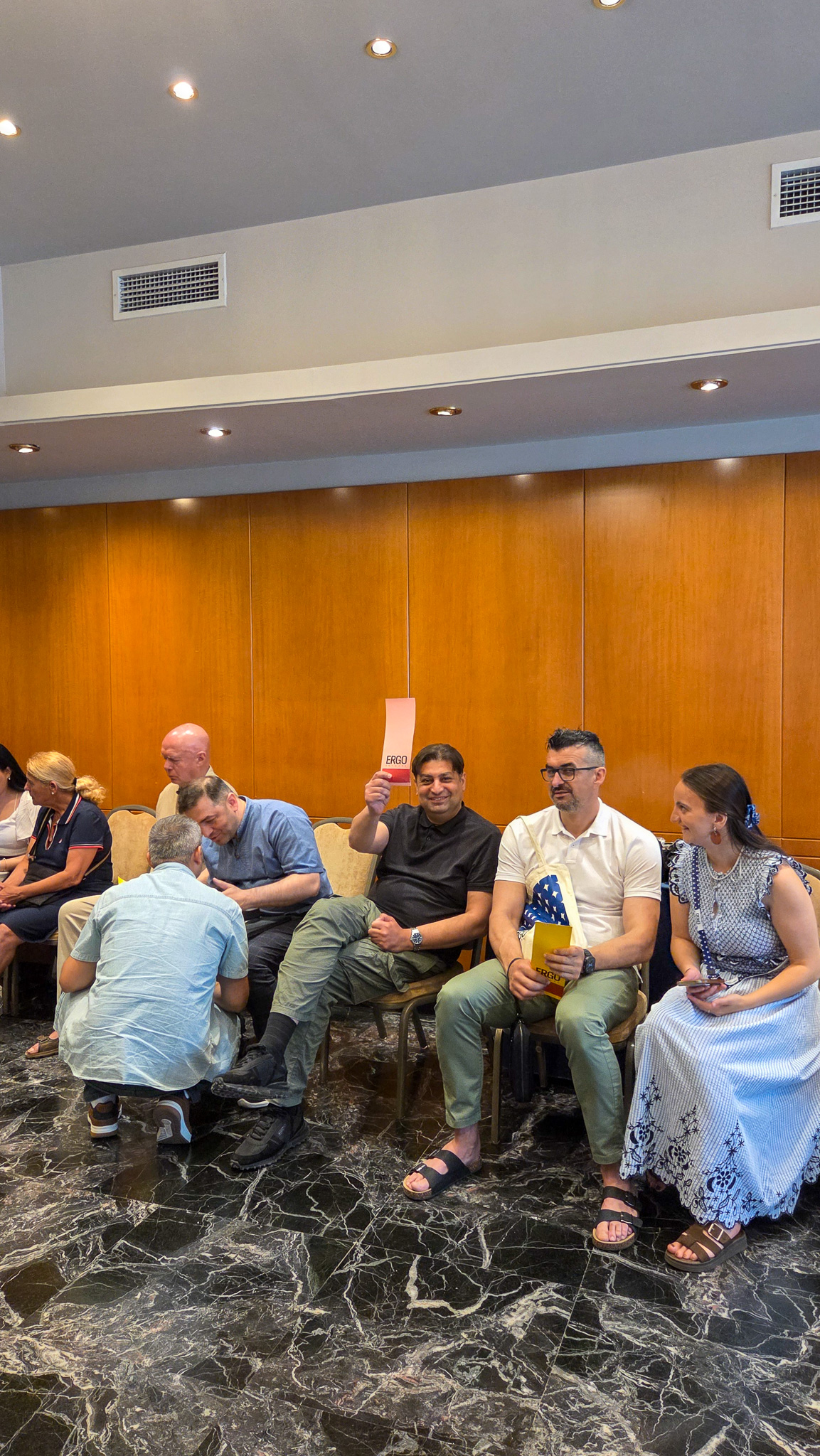
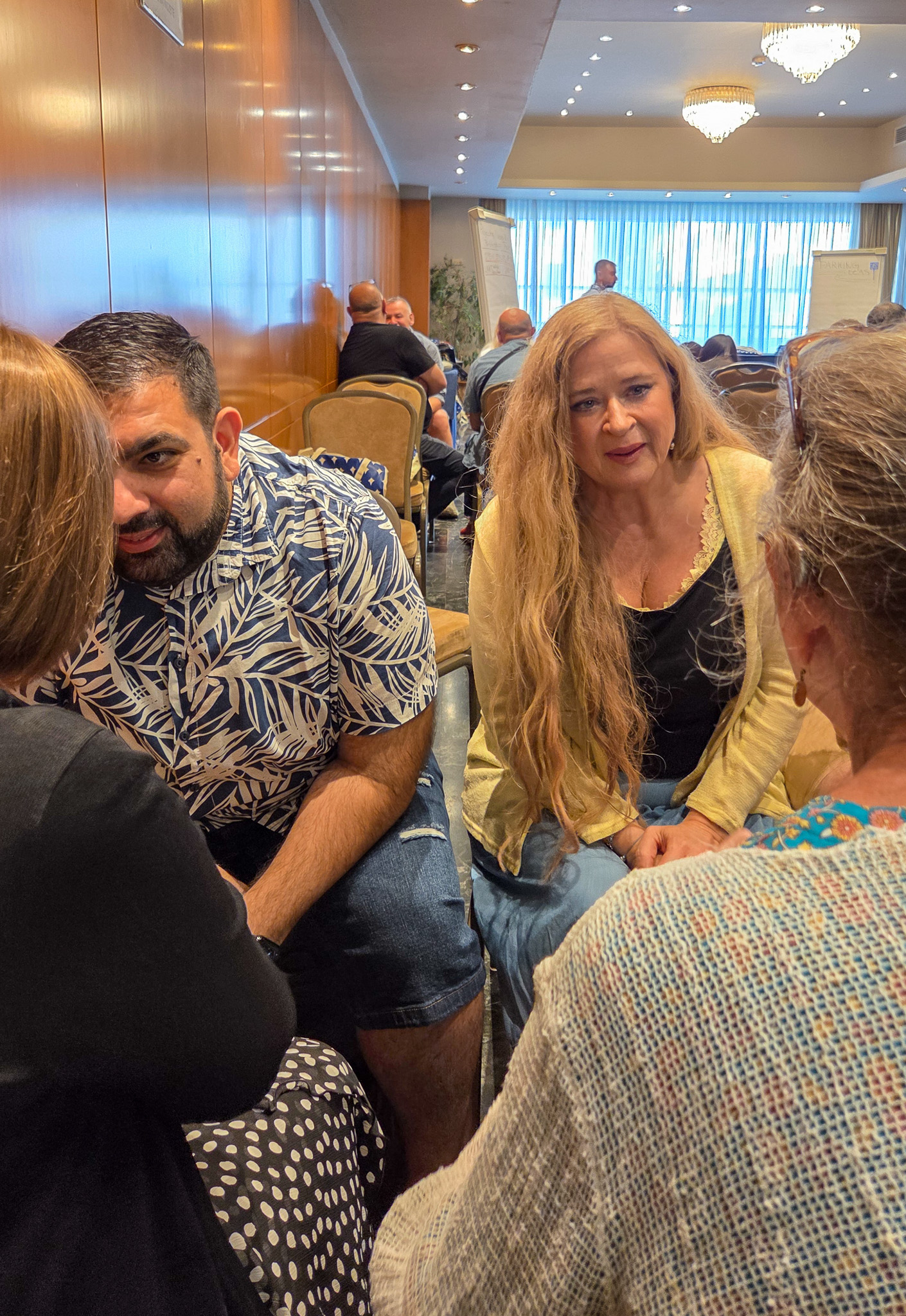
Throughout the Assembly, members engaged in thoughtful discussions about what it means to be part of ERGO Network and how the network can continue to grow and strengthen its impact. They shared ideas on enhancing internal communication, creating more opportunities for exchange and collaboration, supporting member engagement, and further celebrating Roma culture, identity, and leadership across our work.
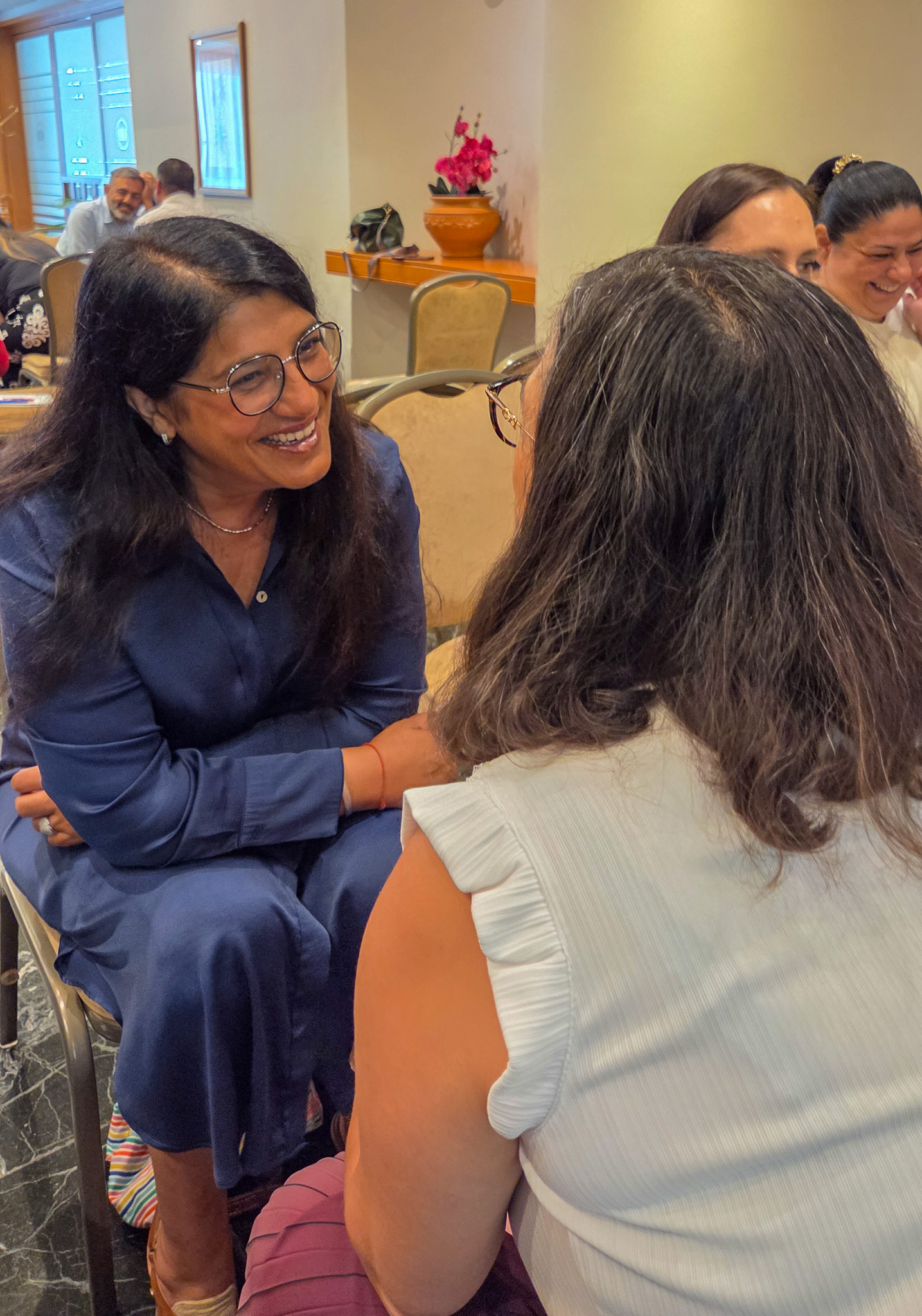
“For me, the key part of the GA is always exchanges between the members. These exchanges this time were honest and, at times, demanding – as they should be in a living network.” – says ERGO Network Membership Officer Martina Horvathova
These conversations reflected the openness and trust that characterise ERGO Network. Members exchanged perspectives on how to remain rooted in grassroots realities while responding to an evolving political environment, how to foster solidarity among organisations with diverse experiences and capacities, and how to continue building a network based on shared values and mutual support.
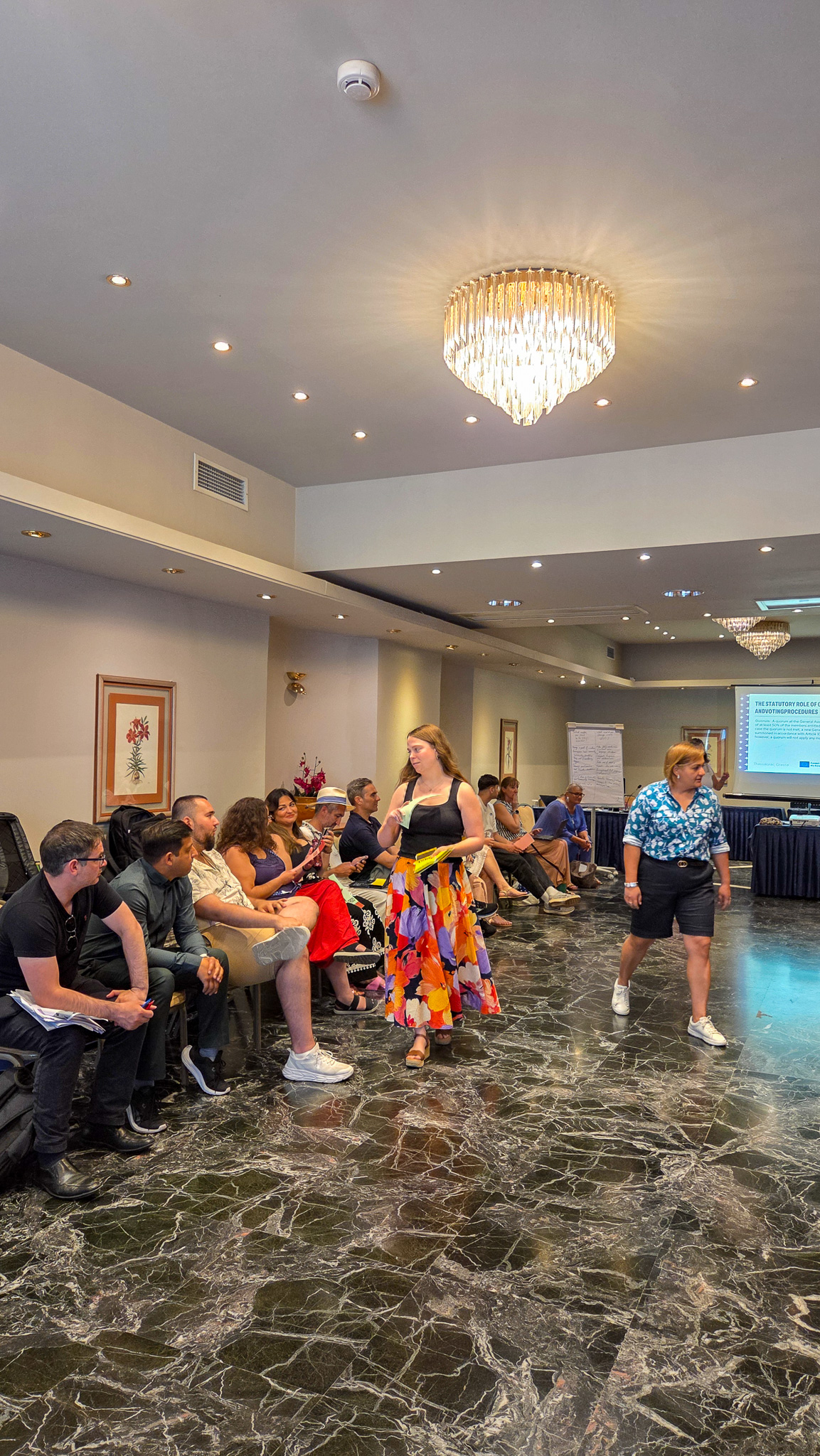
The Assembly also discussed and approved updates to the statutes and internal governance framework, including revisions to the membership process. These changes aim to strengthen transparency, reinforce our values-based approach, and ensure that ERGO Network remains a strong, representative, and accountable platform for Roma civil society across Europe.
Building partnerships for future work
Beyond statutory decisions, the General Assembly created space for partnership-building and shared learning. Members discussed possible joint work on mental health and young Roma, Roma heritage, funding for grassroots activists, and youth employment.
The conversations reflected both the urgency of the challenges facing Roma communities and the creativity of members already responding to them on the ground.
ERGO staff shared updates on advocacy and communications work, including engagement with the European Commission on the EU Anti-Poverty Strategy, the Child Guarantee, the Affordable Housing Plan, the European Semester, Voluntary National Reviews and more, and updated membership on events such as Roma Week 2026, the upcoming EU Roma Platform, and preparations around the future EU Multiannual Financial Framework. We also discussed our work and cooperation with other institutions, among others Council of Europe and United Nations.
Members then worked together to reflect on ERGO Network’s Strategic Plan and priorities for the coming years, including the need to strengthen Roma women’s leadership, respond to shrinking civic space, support national coalitions, and bring Roma concerns into mainstream EU policy frameworks.
A dinner rooted in community
One of the most meaningful moments came outside the formal meeting room. Members gathered for a dinner at Amalin, a Roma restaurant and social enterprise run by the Roma Women Association of Dendropotamos.
The visit offered a concrete example of Roma resilience, entrepreneurship and community leadership in a context marked by structural exclusion. It was also a reminder that the fight against antigypsyism is not abstract. It is about neighbourhoods, schools, services, livelihoods, dignity. Most importantly, it is about the right of Roma communities to shape their own futures.
The strength of the network lies not only in its policies or structures, but in the solidarity, leadership and courage of its members across Europe.
Opre Roma!